
QEII Hospital is introducing three new models of care designed to streamline the surgical journey, improve patient flow and support more patients to recover safely at home.
The SurgiFLOW program brings together Day Surgery by Default (DSbD), Criteria Led Discharge (CLD) and the Post-Operative Discharge Support Service (PODSS) as part of Queensland Health's statewide approach to improving access to elective surgery while maintaining safe, high-quality care.
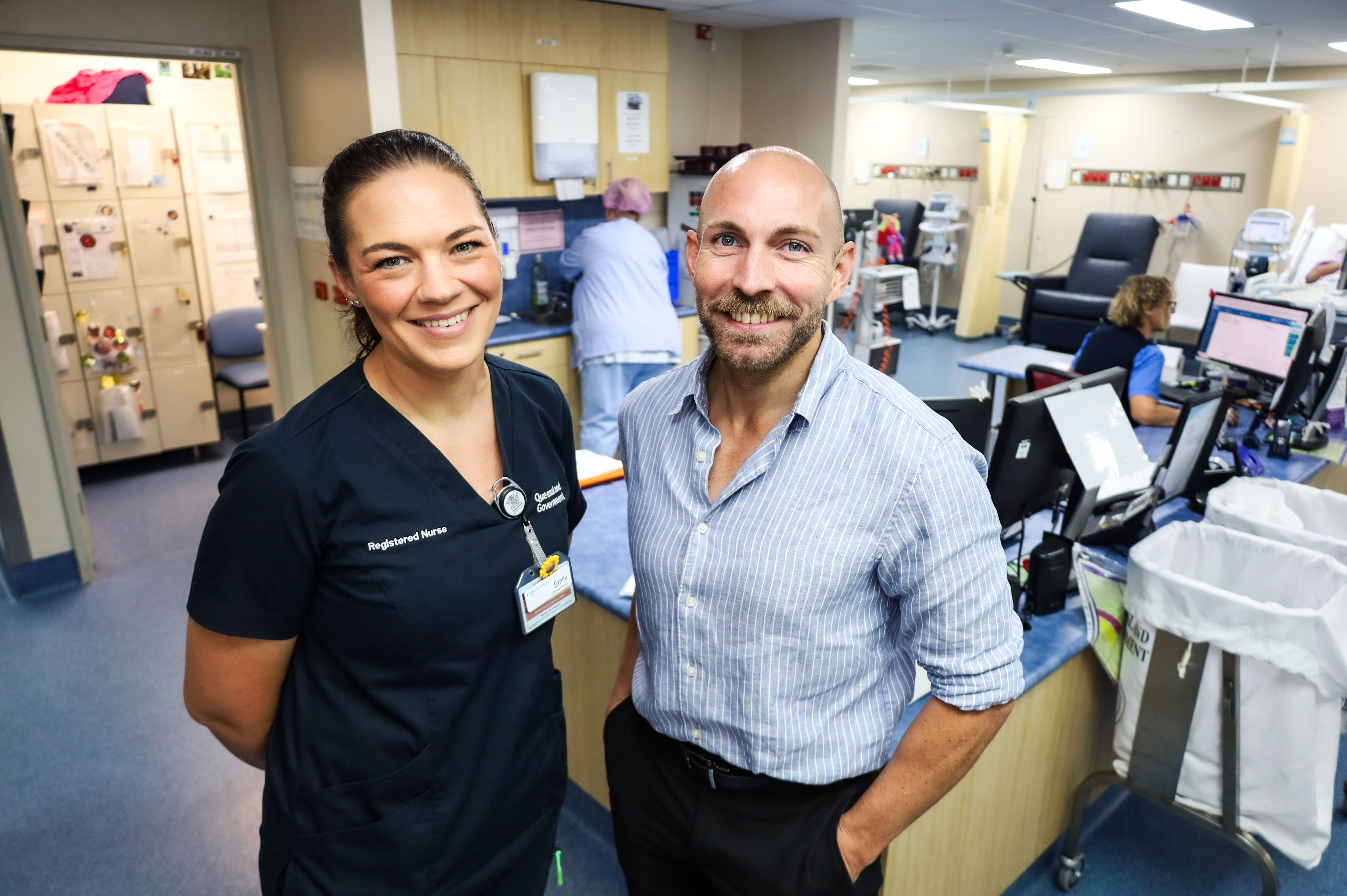
Acting Clinical Nurse Consultant SAFEST SurgiFLOW Perioperative Services Mark Esdale said the initiatives were designed to ensure patients receive the right care, in the right place, at the right time.
"As demand for surgical services continues to grow, it is important that we look for opportunities to improve patient flow whilst maintaining safe, high-quality care," Mark said.
"QEII is adopting these statewide initiatives to support patients through their surgical journey more efficiently, reduce unnecessary delays and ensure hospital resources are available for patients who need them most."
Under the Day Surgery by Default model, patients undergoing selected procedures will be considered for same-day discharge unless there is a clinical reason for them to remain in hospital.
"Many patients recover better in the comfort of their own home," Mark said.
"It is important to note that this does not mean patients will be discharged inappropriately or denied admission when required. Clinical judgement remains central to every decision, and patients requiring inpatient care will continue to receive it."
The Criteria Led Discharge model is also expected to reduce delays for patients who are ready to go home.
"Traditionally, patients often wait for a medical review before discharge, even when they are clinically ready," Mark said.
"With Criteria Led Discharge, the treating medical team establishes pre-agreed clinical criteria in advance. Once those criteria are met, patients can be discharged safely without unnecessary waiting."
The third initiative, the Post-Operative Discharge Support Service, extends support beyond the hospital stay by providing patients with access to advice for non-urgent concerns for up to 30 days after discharge.
"The service provides reassurance for patients recovering at home and helps facilitate early identification of issues, with escalation to the appropriate treating team when required," Mark said.
"The aim is to improve continuity of care, support recovery at home and reduce unnecessary presentations to the Emergency Department."
Patients are expected to notice clearer discharge planning, fewer delays when they are ready to leave hospital and greater confidence once they return home.
The program has been developed collaboratively across QEII, with medical, nursing, allied health, operational and digital teams working together alongside Queensland Health partners to design practical and sustainable models of care.
Success will be measured through a combination of clinical, operational and patient experience outcomes, including increasing same-day discharge rates, expanding the use of Criteria Led Discharge pathways and reducing unnecessary Emergency Department presentations following surgery.
"While these initiatives support improved patient flow and efficiency, our primary focus as always is on ensuring patient safety and delivering quality care," Mark said.