
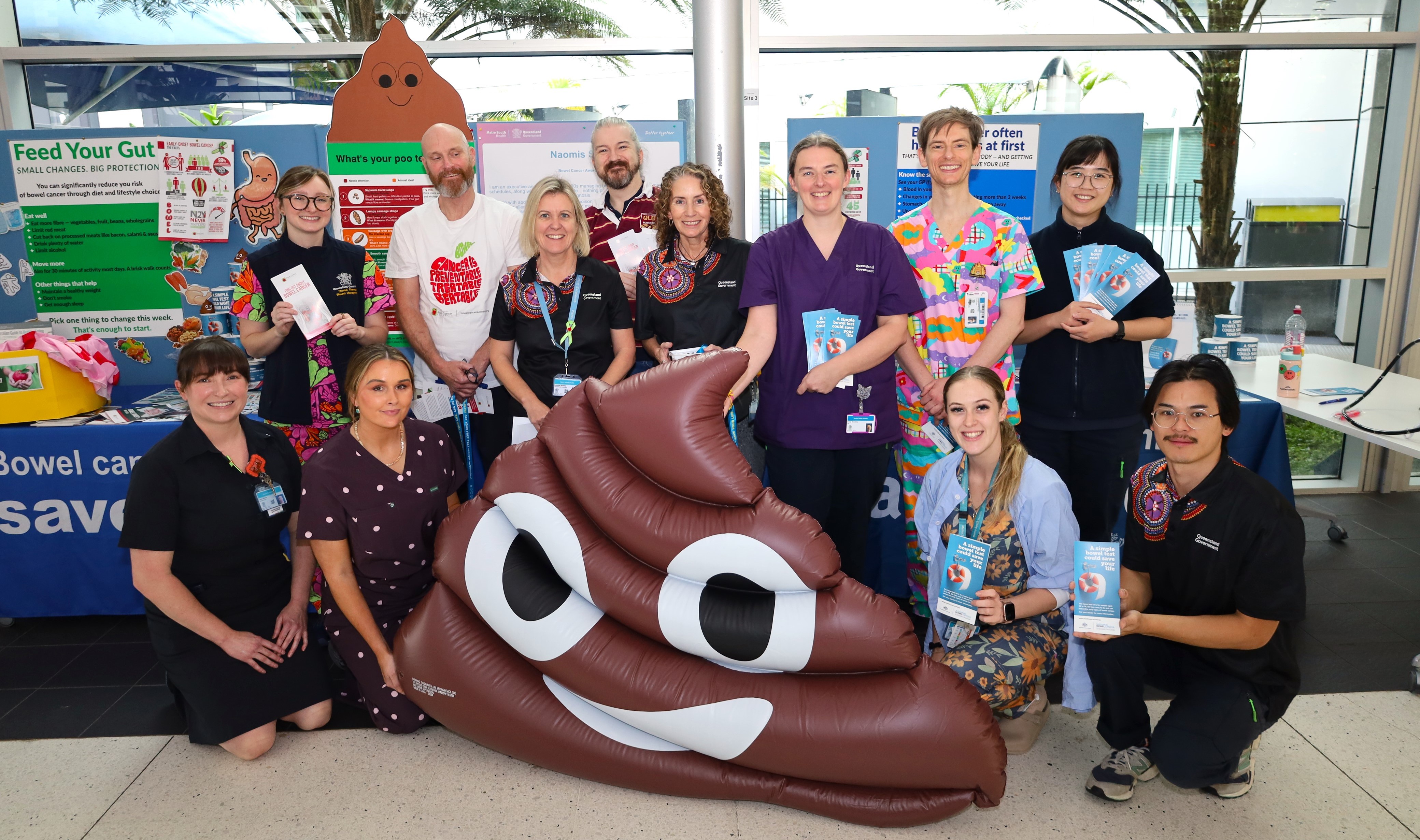
A PA Hospital Gastroenterologist is urging eligible Australians to take part in the National Bowel Cancer Screening Program and complete their free at-home screening test.
Professor Gerald Holtmann said bowel cancer remains one of the most common cancers in the country.
“Every year, 15,000 people in Australia are diagnosed with colon cancer. 5,000 of them will die due to the colon cancer,” he said.
While the statistics are troubling, screening can detect early signs of cancer before symptoms develop, allowing treatment to begin sooner and significantly reducing the risk of serious illness.
“A single colonoscopy in your lifetime reduces the colorectal cancer risk by 50 per cent,” said Professor Holtmann.
“The government provides us with a colorectal cancer screening program, so the only thing you need to do is participate in this screening program and do your stool test.
“Do the stool test when you don’t have symptoms, don’t trust your gut. If you have no symptoms, it’s time to do the test.”
Being alert to the symptoms is equally important. Symptoms of bowel cancer include blood in the stool, changes in bowel habits, unexplained abdominal pain or bloating, weight loss, and unexplained fatigue.
While bowel cancer has traditionally been associated with older Australians, Professor Holtmann said clinicians are seeing an increasing rate of younger people diagnosed with the disease.
“What we have learned in recent years is that more and more young people, people in their 30s, suddenly develop colorectal cancer,” he said.
“The message for everybody is, you should be alert, and if you have unusual symptoms, you should talk to your GP.”
For bowel cancer survivor and PA Foundation staff member Luke Cridland, it’s a very personal message after being diagnosed at just 32-years-old.
“At the time it was considered an old person disease, but once I was diagnosed, I was hearing about a lot more people around my age with bowel cancer,” he said.
“At the time, I was working on eating healthier and just forming healthy habits.
“I’d lost weight and hadn’t noticed an improvement in my bowel habits, which I kind of expected, so that was alarm bells for me. That’s when I started having serious conversations with my GP about getting tested.”
Now five years on, Luke is passionate about encouraging others to pay attention to their bodies and seek medical advice early.
“I think bowel habits are something that people are still very, very shy about, even when it comes to speaking to their doctor,” he said.
“It’s crucial that people form a good relationship with their GP so they can have these conversations comfortably.”
Luke said early detection made a significant difference to his recovery.
“If you’re going to catch it, catch it early, because it will determine your quality of life,” he said.
The free bowel screening test is quick, simple and completed at home.
Those aged 50 to 74 will automatically receive their free test kit in the mail every two years. People aged 45 - 49 can now opt into the National Bowel Cancer Screening Program by requesting their first free screening kit.
For more information visit www.cancer.org.au/bowelscreening