
The latest Queensland Health data shows that more than 1,400 Queenslanders, through no fault of their own, are stuck living in the state’s public hospitals despite being clinically ready to leave hospital.
Of those, more than 1,100 older Queenslanders are awaiting aged care placement, with 198 in the Metro South region, which includes Logan, Princess Alexandra, Redland and QEII Jubilee hospitals.
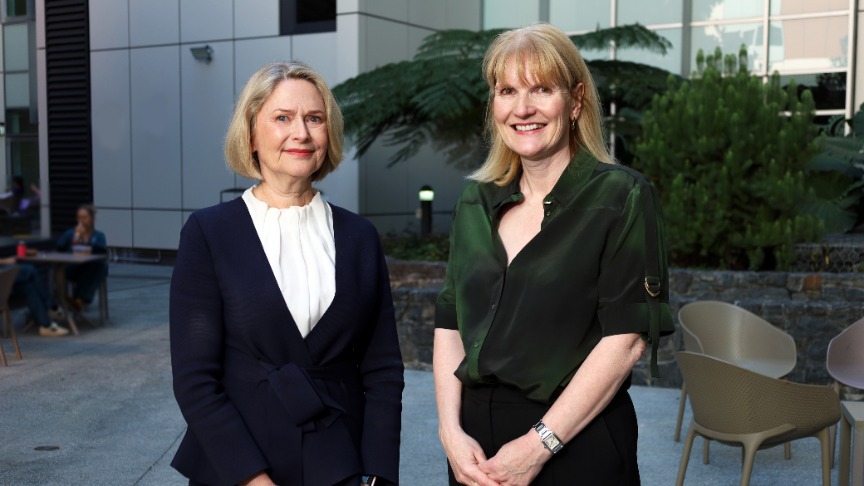
Metro South Health Chief Executive Noelle Cridland said prolonged hospital stays were a significant health risk to patients.
“No one wants to be in hospital if they don’t need to be – but for older Queenslanders, prolonged hospital stays are associated with functional decline, poorer experience, and an increased mortality risk,” she said.
“Some of our patients have been in hospital awaiting discharge for months and even as long as 800 days.
“Time is precious – particularly for older patients – and we are really committed to making sure they get the care they need in the right place.
“It’s vital for patients' recovery and quality of life to be in appropriate home-like environments where they have the opportunity to go outside and engage with the community.”
Geriatrician Professor Ruth Hubbard acknowledged older people do not want to be in hospital and would rather be in their own homes or in a nursing home setting.
“These long delays are really impacting people’s wellbeing as well as their cognitive status, and their physical and functional status,” said Professor Hubbard.
“It’s well recognised now that older people in hospital experience ‘hospital associated deconditioning’ so their muscle strength declines, and their ability to walk and engage declines too.
“I see families who are trying their very best to find alternative accommodation for their loved one and are very distressed.”
One family member of a long stay patient said they applied and were declined at over 60 facilities before social workers got involved and have applied to countless more.
“The weeks around the realisation that we couldn't bring our mum home from hospital this time, that we couldn't care for her safely anymore, were very difficult. It was a struggle to process that,” they said.
“It has been even harder to see mum’s despair in hospital as the days become weeks and now months, with no residential care facility willing to offer her a bed. It's heartbreaking to barely get a look in the door due to mum requiring a fully supported, government funded concession bed.
“That an elderly lady, with a fragile state of mind and body doesn't have a door to close around her to feel safe, has only curtains for some meagre privacy, has to walk across a hall to a shared bathroom when she inevitably needs it during the night, and doesn't even have her own tv to watch is so hard to see and accept.
“This prolonged limbo state causes mum to regularly feel worthless, unwanted, and abandoned.”
Ms Cridland said beds being occupied by patients awaiting a residential aged care placement also reduced access for patients who needed acute care and contributed to system pressure.
“Metro South Health has more stranded patients than any other region in the state.
“Together with the rapidly growing population and increased demand for healthcare in South-East Queensland, this puts significant pressure on our health service and our healthcare workers.
“The impact is immense – it’s equivalent to taking seven of our 28-bed wards offline,” she said.
Ms Cridland said Metro South Health had significantly invested in initiatives to improve outcomes for patients and reduce hospital pressures, including:
- the establishment of a new dedicated pathways team to facilitate discharges
- NDIS and Long Stay Principal Advisors to assist with highly complex cases and free up frontline staff
- social workers in emergency departments to help patients avoid hospital admission, allowing them to continue living independently for longer
- shifting to a “home first” approach, prioritising discharge home with the right supports wherever possible, rather than defaulting to residential aged care
- earlier identification and planning for future care needs sooner, including dementia diagnosis, advance care planning and supports in the home
- earlier senior clinical input, better multidisciplinary coordination, and more consistent communication with patients and families
- establishment of a Long Stay Committee, Disability Inclusion and Safety Committee and Older Persons clinical network
- development of a Discharge Delay dashboard – to target appropriate supports where it is needed most
- GEMITH (Geriatric Evaluation and Management in the Home) – a Metro South Health service that delivers specialist medical and multidisciplinary care to older people directly in their homes
- working closely with partners across the system, including aged care providers, primary care, and community services, to improve how patients transition between care settings.
“I want to thank our dedicated and hard-working doctors, nurses and allied health professionals who are working together to support these patients and their loved ones.”