
Summary
Falls are the leading cause of an injury requiring hospitalisation for the elderly.
Exercise is top of the list for preventing older people from a fall.
Falls are the leading cause of an injury requiring hospitalisation, particularly for older people, with Princess Alexandra Hospital experts warning they will only become more prevalent as the population ages.
Data from the Australian Institute of Health and Welfare shows falls are the leading cause of injury requiring hospitalisation.
In 2024-25, fall-related injury hospitalisations were most common among people aged 75 and over. In 2023-24, fall-related injuries cost the Australian health system about $5.4 billion.
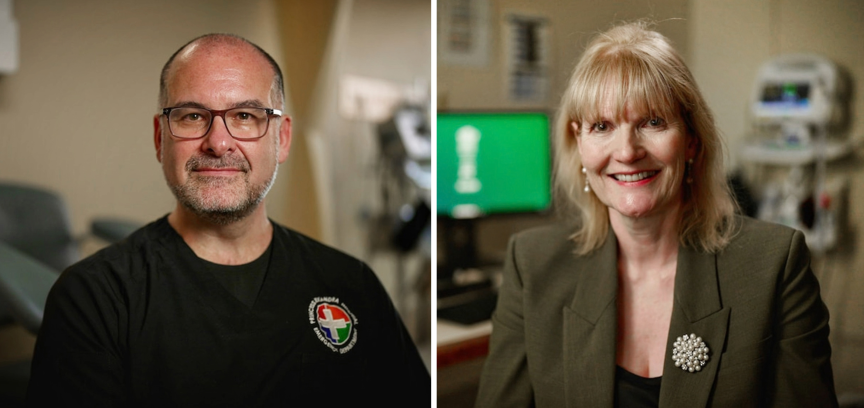
Preventing older people from falls is the key and PA Hospital Geriatrician Professor Ruth Hubbard said there are many things people of all ages can do to help prevent falls, and exercise is top of the list.
“Everyone, including older people, should adopt an exercise program, particularly high-resistance and balance training, to improve physical conditioning to prevent both a fall and an admission to hospital.
"The earlier the better is the answer," she said.
Professor Hubbard, who is also the masonic chair of geriatric medicine at the University of Queensland, described hospital as an environment "not designed for older people" and warned there could often be long-term consequences to an admission.
“Older people are likely to lose strength and conditioning during a hospital stay, which can lead to either an aged care admission or more care at home when they leave.”
With an aging population, there are concerns falls will become increasingly prevalent, leading to poorer health outcomes across the population and extra pressure on already stretched emergency departments.
PA Hospital Emergency Physician and Director of Residential Aged Care support service CAREPACT, Dr Terry Nash sees that every day.
While the numbers of people presenting to Australian hospitals each year for ladder and roof falls, is on the rise, an older person having a fall is one of the most common reasons for emergency care in Australia.
"There's also a small cohort of older people who are frail where a fall can be the sentinel event that means that person needs even more support before they can return home."
Dr Nash said community intervention to help prevent falls was key to reducing demands on emergency departments.
"Engaging in programs that mean that you're less likely to fall is a huge personal benefit, and I think a benefit to the whole healthcare system," he said.
"It's never too late to be doing anything that keeps you active and engaged."
Other elements that can help prevent falls include home modifications such as removing trip factors, ensuring hearing and eyesight is good through access to hearing aids an eyewear, good nutrition, and being on the correct medication.
Adapted from ABC Online
More on Prof Hubbard’s frailty research can be found on Metro South Health and The University of Queensland and other websites