
"What a privilege it is to do the right thing. As we continue our journey toward health equity in Metro South, we will move forward together with determination and hope. We will lead by example, guided by a simple truth: we are better together."
- Denise Hookey, Director Aboriginal & Torres Strait Islander Health Metro South Health.
Metro South Health has taken an important step forward for health equity this May, after launching Australia’s first HHS-wide Community Jury for Aboriginal and Torres Strait Islander Health Research.
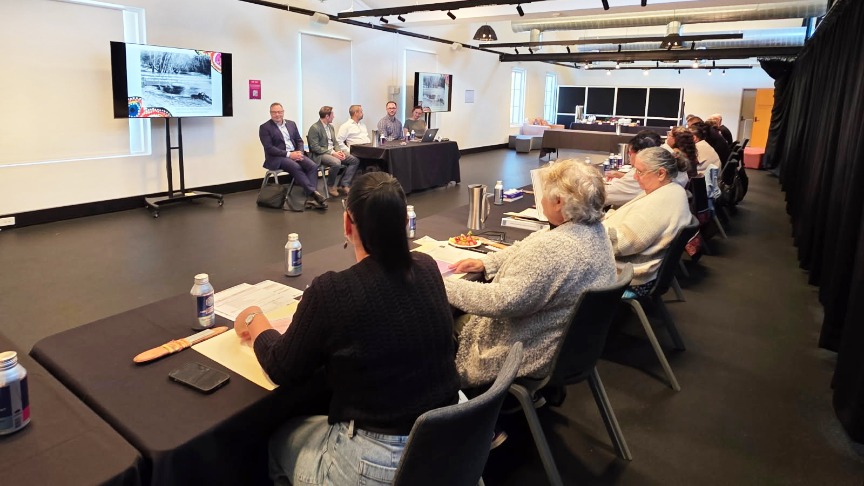
Launched on 21 May, the MSH project brings Metro South researchers together with First Nations representatives, with the vision to co-design more culturally responsible and responsive research in the region.
“Its purpose is to ensure that all future research that includes First Nations peoples within Metro South Health is not done on us anymore, but done with us,” explained project lead, Kay-cee Mikkelson.
A Nurse Navigator and proud Bundjalung woman, Kay-cee led the charge on recruitment and brings a passion for culturally safe and responsive research to the project.
Kay-cee says the establishment of the MSH Jury marks a pivotal moment in Metro South’s history, consolidating learnings from the Inala Community Jury model to enhance health outcomes for First Nations communities across Metro South.
“It’s all about doing culturally safe research with Mob and ensuring our voices are heard. It’s important that researchers are held accountable for their research, and that they have access to Aboriginal and Torres Strait Islander peoples within the Metro South catchment,” Kay-cee said.
The MSH Community Jury expands upon the grassroots Inala Community Jury, which has flourished locally since its 2011 establishment.
“Denise Hookey and Bena Brown at the Southern Queensland Centre of Excellence fought hard to get this off the ground. This would not be possible without the success of the Inala Community Jury.”
Fifteen members from different communities across the Metro South region held their first meeting on 21 May at their new home at Kingston Butter Factory, marking an historic moment for the HHS.
“I chose that location because it’s central to all our members, it’s accessible, and it’s a beautiful cultural space for our Jury to gather,” Kay-cee said.
"We have recruited people from all Countries within the Metro South catchment area so that they can provide localised guidance. That helps researchers shape the way they’re going to approach their research, and it gives them connection to local organisations and people on the ground.
“It gives them ways of doing things more meaningfully. In return, when you have meaningful data, then real change can happen for Mob and for our health.”
A traditional smoking ceremony and blessing was conducted to cleanse the space, with hand-wrapped message sticks gifted to Jury members and executives.
“They are a reminder of the pride and power that this role carries, as well as the responsibility that comes with it,” Kay-cee explained.
Researchers are required to convene with the Jury in person yearly, supporting a culturally responsive approach to research codesign.
“We know there is a long historical distrust of government among mob, so it’s important that we meet in person and get a feel for people. That’s how we do business and how we build that trust,” Kay-cee explained.
“Some research projects run for four or five years, so it’s important that Jury can reconnect and make sure that our voices are being heard appropriately, and our recommendations have been taken on board.”
At every stage of the research journey, the Jury ensures a community-centred and responsible approach, empowering meaningful research that reflects the lived experience of the communities it serves.
“The other beautiful thing about the research that’s being done is that for you to be able to do research with Aboriginal and Torres Strait Islander people in Metro South Health, you must have a local Indigenous research officer. That strengthens our workforce, it’s growing our people, and it means you have a real voice in shaping this research and getting to the right outcomes that are culturally safe,” Kay-cee said.
“Another big piece of this was partnering with consumers. I want to make sure that this continues and has longevity, so I went out and formed partnerships with organisations, and they have sent out representatives to come and sit on the jury as Metro South Health consumers.”
With a strong foundation set, the Jury looks forward to enhancing research, partnerships, and health outcomes for First Nations communities, both now and into the future.
“This is a very big change for researchers, but the more we get the word out and build that partnership, the more they will also reap the rewards,” Kay-cee said.
“Having Aboriginal and Torres Strait Islander researchers, who are having those yarns and interpreting those yarns, is so different to having someone who doesn't walk in our shoes. This is a huge, life-changing step forward, and we’re the only HHS in Australia doing it.”